
What Golf and Polo Taught Me About Business
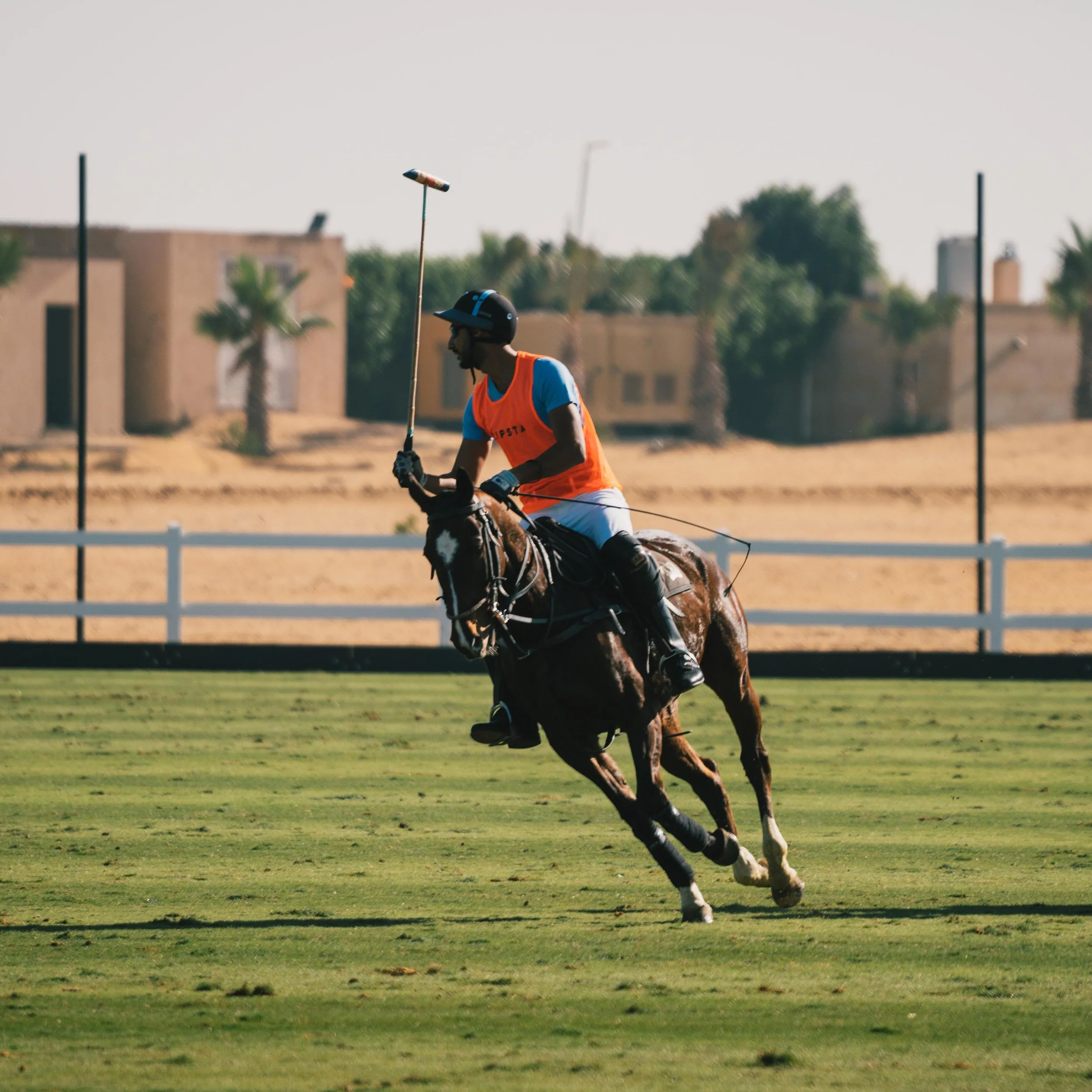
People sometimes look surprised when I bring up golf or polo in a business conversation. I get it. They seem like hobbies that happen elsewhere — away from decks and deadlines and strategy calls.
But the longer I've played, the more I've realized these sports don't just happen alongside my work. They actively shape how I think about it.
Golf: The Long Game, Literally
Golf teaches you something that no MBA program really can — how to manage yourself under pressure over an extended period of time. You don't win a round on hole one. You stay composed, make smart decisions, recover well from bad ones, and trust that consistent execution over 18 holes adds up to something.
Business is exactly the same. The founders and operators I respect most aren't the ones who make the flashiest moves. They're the ones with the lowest unforced errors. They know when to be aggressive and when to lay up. They play the course, not their ego.
"Golf taught me that how you handle a bad hole says more about you than how you play a perfect one."
When a campaign underperforms or a launch doesn't land the way I planned, I try to approach it the way I'd approach a bogey — acknowledge it, understand what went wrong, adjust, and move on to the next hole. Dwelling is expensive in both places.
Polo: Speed, Coordination, and Trust
Polo is different. Polo is fast. Decisions happen in seconds, at speed, with a team that has to move as one unit or not at all. You can be the best rider on the field, but if you don't trust your teammates and they don't trust you, the play falls apart.
That maps directly onto how I think about building and working within a team on any creative or marketing project. Individual brilliance matters less than coordinated execution. The creative, the strategist, the developer, the client — they all need to be riding in the same direction. When they are, things that looked impossible become straightforward.
The Deeper Overlap
Both sports reward preparation over improvisation. Both punish impatience. Both require you to read conditions — the wind, the field, the opposition — and adapt in real time without abandoning your core game.
I think that's why I keep coming back to them. Not just for the pleasure of playing, but for the reminder of what good performance actually looks like up close.
Calm. Precise. Consistent. Ready to move when the moment opens up.
Those qualities don't stay on the field. They follow you back to the office.